
Choosing a career after 12th is never simple. Many school students stand at a crossroads, unsure of what to pick next. Some want a course that gives them adventure, some want a career with a good salary, some want a stable job, and others simply want something different from the usual engineering and medical paths. In this confusion, many students overlook one powerful option: Marine Engineering.
Marine engineering is not a typical career path. It is unique, exciting, and filled with opportunities—both in India and across the world. For a curious student, loves machinery, enjoys problem-solving, or dreams of travelling the world while working, marine engineering can be the perfect choice. This blog will help you understand everything about the field in a clear, direct way so you can decide whether this career suits you.
What is Marine Engineering?
Marine engineering is a branch of engineering focused on the design, construction, operation, and maintenance of ships and marine structures. It deals with everything that keeps a ship running—its engines, propulsion systems, electrical systems, air conditioning, hydraulics, pumps, generators, and safety equipment.
Unlike other engineering branches, marine engineering is closely tied to real-time operations. Ships work 24/7, and marine engineers must ensure the machinery works smoothly even in the middle of the ocean. This makes the job challenging but also exciting. It is a combination of mechanical, electrical, electronic, and computer engineering, specifically designed for the marine environment.
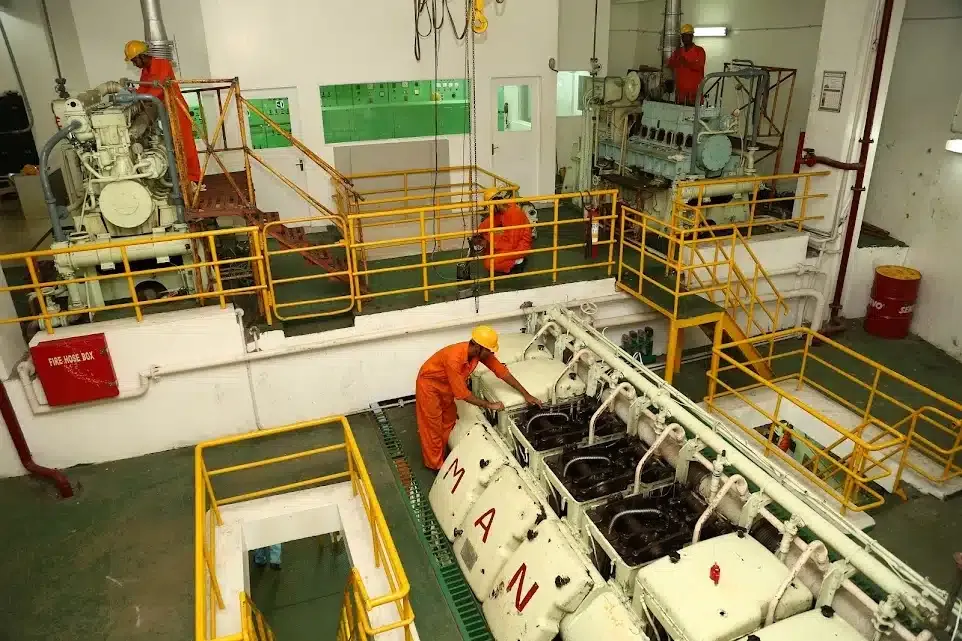
Who is a Marine Engineer?
A marine engineer is the technical backbone of a ship. They work in the ship’s engine room and handle all machinery operations. Their responsibilities include monitoring engines, repairing systems during breakdowns, maintaining equipment, ensuring safety compliance, and keeping the ship’s mechanical systems stable throughout the voyage.
A marine engineer must be calm under pressure, logical in thinking, and good at solving problems on the spot. Life at sea requires discipline and responsibility, but it rewards you with high salaries, respect, and global exposure.
How to Become a Marine Engineer After 12th?
If you want to become a marine engineer, here is the basic path you need to follow after 12th:
- Complete 12th Standard with PCM
Physics, Chemistry, and Mathematics are compulsory subjects. Most colleges require at least 60% aggregate marks. - Clear Entrance Exams
Many maritime institutes conduct their own entrance exams, interviews, and medical tests. Some also accept IMU CET scores. - Meet Medical Standards
Marine engineering has strict medical requirements. Students must have:- Normal color vision
- Good eyesight
- Physical fitness as per DGMA rules
- Join a DGMA Approved College
You must join a 4-year B.Tech Marine Engineering program approved by the Directorate General of Maritime Administration (DGMA), Govt. of India [Previously known as Directorate General of Shipping].
After completing the course, you must undergo onboard training before becoming a fully qualified marine engineer. Even during the 4-year course, students begin maintaining their TAR Book (Training and Assessment Record Book), which continues throughout their academic training and sea time. During onboard training, cadets must maintain the TAR Book with detailed records of tasks completed and practical skills learned. The TAR Book, which acts as proof of the tasks they complete onboard. They also start collecting essential shipboard certificates, which are mandatory documents that validate their training and competence at sea.
B.Tech Marine Engineering
B.Tech Marine Engineering is a 4-year undergraduate program that trains students in mechanical systems, ship engines, electrical systems, thermodynamics, safety management, and maritime operations. The course is designed to prepare students for working on ships and handling real-time technical challenges.
The program includes:
- Classroom theory sessions
- Practical workshops
- Engine room simulator training
- Marine safety drills
- Hands-on training with ship machinery
By the end of the program, students become industry-ready, prepared to step into the maritime world.
Marine Engineering Syllabus
The syllabus for marine engineering is comprehensive and covers a mixture of engineering fundamentals and specialized maritime subjects. Some major topics include:
- Engineering Mathematics
- Applied Thermodynamics
- Fluid Mechanics and Hydraulics
- Marine Boilers and Steam Engineering
- Naval Architecture
- Marine Auxiliary Machines
- Marine Electrical Technology
- Marine Refrigeration and Air Conditioning
- Marine Power Plants
- Control Engineering
- Ship Fire Safety & Environmental Studies
- Engine Room Simulator Training
- Workshop and Practical Labs
The syllabus blends mechanical engineering, electrical engineering, and maritime-specific training to create well-rounded marine professionals.
Marine Engineering Scope
Marine engineering offers a wide range of career opportunities both onshore and offshore. The maritime industry is global, and skilled marine engineers are always in demand. Some major career opportunities include:
Onboard Career
- Working on merchant navy ships as an engineer
- Rapid promotions with high salaries
- Travel to different countries
Shore-Based Career
After gaining experience at sea, many marine engineers shift to:
- Shipbuilding companies
- Ship repair yards and dry docks
- Port operations
- Marine equipment manufacturing firms
- Offshore oil and gas companies
- Marine surveying
- Marine consultancy
- Maritime training institutes
The combination of technical knowledge and sea experience makes marine engineers valuable in multiple industries.
What Will I Become After Completing 4 Years of B.Tech Marine Engineering?
Once you finish B.Tech Marine Engineering, you must first undergo 12 months of mandatory shipboard training, also known as onboard training or sea time. During this period, you will join a ship as a Trainee Marine Engineer (also called a Junior Engineer or Engine Cadet) to gain practical experience working in the engine room. This onboard training is the first step of your sea career and is essential for completing your TAR Book and collecting the required shipboard certificates. After completing onboard training and clearing your exams conducted by Directorate General of Maritime Administration (DGMA), you can advance to higher ranks.
A typical career path looks like this:
- Trainee/Junior Engineer
- Fourth Engineer
- Third Engineer
- Second Engineer
- Chief Engineer
Reaching the level of a Chief Engineer can take a few years of experience, but it comes with one of the highest-paying and most respected engineering roles in the maritime industry. A Chief Engineer is the head of the entire engine department and is responsible for the overall technical management of the ship.
For a detailed step-by-step guide from cadet to Chief Engineer, read our complete guide on becoming a Chief Engineer.
Marine Companies Offering Opportunities for Marine Engineers in India
India has several well-known maritime companies that offer marine engineering jobs. Some of the top companies include:
- Synergy Marine Group
- Bernhard Schulte Shipmanagement (BSM)
- MSC Ship Management
- IMEC
- Zodiac Maritime
These companies operate globally and provide excellent training, salary, and career growth.
Marine Engineering Salary Per Month
Marine engineers earn some of the highest salaries in the engineering sector. Salaries depend heavily on rank, experience, ship type, and company. Based on recent industry data, here are more accurate salary ranges:
- Trainee Marine Engineer / Engine Cadet: ₹30,000 – ₹70,000 per month (approx.)
- Fourth Engineer: ₹1,50,000 – ₹2,50,000 per month
- Third Engineer: ₹2,50,000 – ₹4,00,000 per month
- Second Engineer: ₹4,00,000 – ₹6,00,000+ per month
- Chief Engineer: ₹7,00,000 – ₹12,00,000+ per month
These figures vary depending on whether the vessel is a tanker, container ship, bulk carrier, LNG carrier, or offshore vessel. Senior-level salaries can go significantly higher for specialized vessels.
Most salaries are paid in USD, and seafarers who qualify for NRI status also receive tax‑free income, making this one of the most financially rewarding careers in engineering.
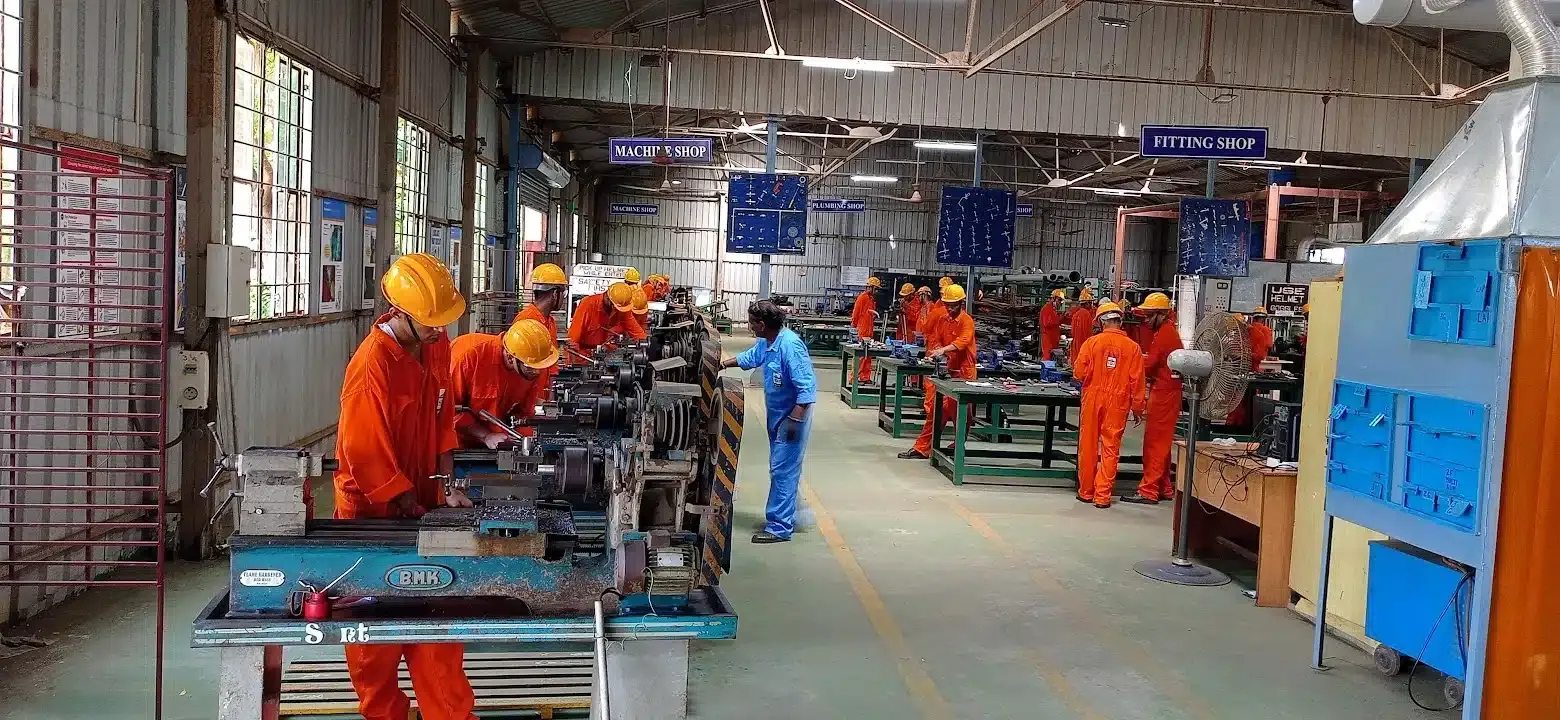
Best Marine Engineering College in India
Several maritime institutes in India offer high-quality marine engineering programs. Some of the best include:
- Indian Maritime University (IMU) – Chennai, Tamil Nadu
- HIMT College – Chennai, Tamil Nadu
- Tolani Maritime Institute (TMI) – Pune, Maharashtra
- B.P. Marine Academy – Navi Mumbai, Maharashtra
- AMET University – Chennai, Tamil Nadu
These colleges are known for their experienced faculty, modern facilities, and strong placement support.
Top Marine Engineering College in Chennai
Chennai is one of India’s strongest maritime hubs. Some of the top colleges here include:
- Indian Maritime University, Chennai Campus
- HIMT College, Chennai, Tamil Nadu
- AMET University – Chennai, Tamil Nadu
- VELS School of Maritime Studies – Chennai, Tamil Nadu
These institutions are well-recognized and attract students from across India.
Wrapping Up
Marine engineering is not just a degree—it is a lifestyle. It offers adventure, discipline, excellent salary, global exposure, and a chance to build a strong and respected career. If you are someone seeking a different path after 12th, one that combines technology with travel and real-world challenges, marine engineering is a powerful choice to consider.
Frequently Asked Questions
1. What is the salary of a Marine Engineer?
A fresh marine engineer (TME/Junior Engineer) typically earns ₹35,000–₹80,000 per month during training. After gaining experience and becoming a Fourth/Third Engineer, salaries usually range from ₹1.5–3 lakh per month, and Chief Engineers can earn ₹6–10 lakh+ per month depending on the shipping company and vessel type.
2. What is the qualification for Marine Engineer?
To become a marine engineer, you need to complete 10th and 12th with Physics, Chemistry, and Mathematics (PCM) and then pursue a B.Tech/BE in Marine Engineering from a DGMA (DG Shipping) approved college. You must also pass the required medical fitness and eyesight tests.
3. How many years is a Marine Engineer?
The B.Tech Marine Engineering course is typically 4 years, including both theoretical classes and practical training. After graduation, candidates must complete shipboard training as part of their career progression.
4. Is being a marine engineer a good career?
Yes, marine engineering is considered a strong career because it offers high salaries, international exposure, and fast career growth. It is ideal for those who like technical work, travel, and a structured promotion pathway.
5. Are marine engineers in high demand?
Yes, marine engineers are in steady demand because the global shipping industry constantly needs skilled engineers to operate and maintain vessels. With increasing international trade, qualified marine engineers have strong job prospects worldwide.
6. Why HIMT for Marine Engineering?
HIMT is well-known for strong academic training, modern labs, and experienced faculty within the maritime field. It provides excellent placement records, industry tie-ups, and well-maintained hostel and training facilities, making it a trusted choice for marine engineering aspirants.
7. What are the benefits of a Marine Engineering career?
Marine engineering offers high salary packages, tax-free income on ships, global travel opportunities, and rapid career growth. It also gives engineers a chance to work on advanced machinery, gain international experience, and build a financially strong career early in life.