Advance Your Maritime Career with DGMA Approved Competency Courses
A career at sea does not end after obtaining an initial Certificate of Competency (CoC). As officers gain sea service and experience, they must complete higher competency courses approved by the Directorate General of Maritime Administration (DGMA), Govt. of India [Previously known as Directorate General of Shipping], to qualify for senior ranks onboard merchant ships.
These post sea competency courses are designed to enhance technical expertise, leadership abilities, regulatory knowledge, and operational decision-making required for higher responsibilities. Successful completion of these courses, along with the prescribed sea service and examinations, enables officers to progress from junior ranks to positions such as Chief Officer, Master, Chief Engineer, and beyond.
HIMT offers several DGMA approved post sea competency courses for both deck and engine officers. This guide explains each course, its purpose, eligibility requirements, and the documents generally required for admission.
What Are DGMA (DGS) Approved Post Sea Competency Courses?
Post sea competency courses are specialized training programs undertaken after a seafarer has gained practical onboard experience. Unlike pre-sea courses that prepare candidates to begin a maritime career, competency courses help serving officers upgrade their qualifications for the next level of responsibility.
These courses combine classroom instruction, practical exercises, simulator training where applicable, and assessments based on international maritime regulations and industry standards. They play a vital role in preparing officers to safely manage navigation, engineering operations, shipboard administration, and crew management.
Who Should Take These Competency Courses?
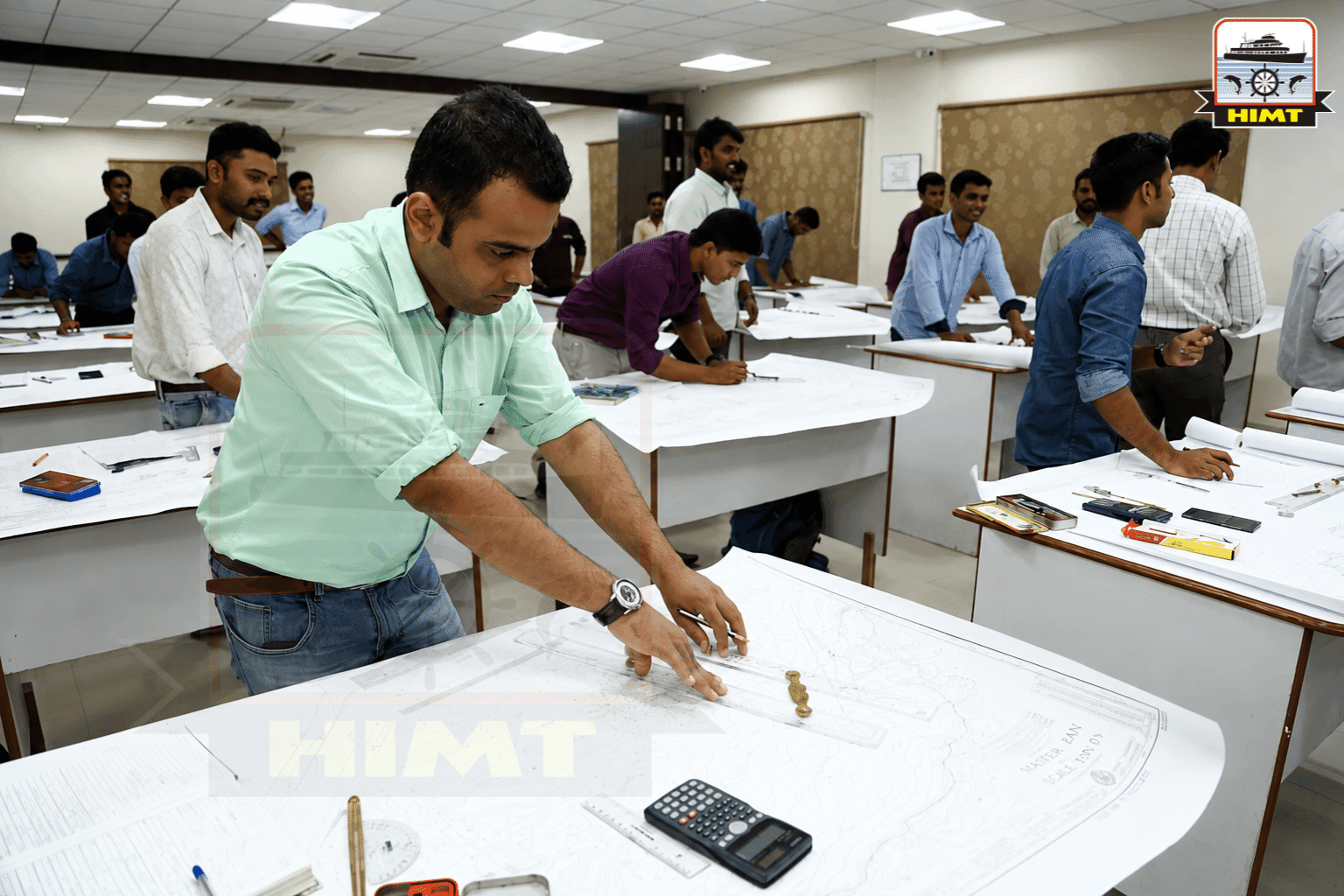
These programs are intended for qualified merchant navy officers who have already earned their Certificates of Competency and completed the required sea service prescribed by DGMA.
Depending on the officer’s department and career progression, different competency courses become mandatory before appearing for higher competency examinations or assuming senior ranks onboard ships.
Chief Mate Phase I (PH1)
Course Duration: 3 Months
Chief Mate Phase I is designed for Second Mate (Foreign Going) Certificate of Competency holders who have completed the initial qualifying sea service. The course focuses on developing the advanced navigational knowledge, cargo operations expertise, maritime legislation understanding, and ship management skills expected from a Chief Officer.
It serves as the first academic phase in the progression from Second Mate to Chief Mate and prepares officers for greater operational responsibilities onboard merchant vessels.
Chief Mate Phase II (PH2)
Course Duration: 3 Months
Chief Mate Phase II builds upon the knowledge acquired during Phase I. It provides more advanced training in navigation, ship stability, cargo planning, safety management systems, leadership, and maritime regulations required for Chief Officer responsibilities.
This phase is intended for officers who have accumulated additional sea experience after obtaining their Second Mate Certificate of Competency.
MEO Class I – Engineering Management (EM)
Course Duration: 2 Months
The MEO Class I Engineering Management course prepares Marine Engineering Officers for the highest level of engineering leadership onboard merchant vessels. The program covers engineering management principles, machinery operation, maintenance planning, safety systems, resource management, and compliance with international maritime regulations.
MEO Class II – Preparatory Course (PCT)
Course Duration: 4 Months
The MEO Class II Preparatory Course is intended for Marine Engineers progressing from Class IV to Class II certification. The program strengthens technical competence in marine engineering systems, machinery operation, troubleshooting, maintenance management, and engineering practices required for senior engineering positions onboard ships.
Masters Advanced Shipboard Management (ASM)
Course Duration: 1.5 Months
Masters Advanced Shipboard Management is designed for Chief Officers preparing to assume command as Masters. The course focuses on advanced shipboard leadership, maritime law, command responsibilities, emergency response, crew resource management, commercial operations, and effective ship administration.
It equips experienced officers with the managerial and operational competencies expected from a ship’s Master.
Second Mate Function (SFU)
Course Duration: 4 Months
The Second Mate Function course is intended for deck cadets who have successfully completed their approved pre-sea education and required shipboard training. It provides the knowledge and practical competencies necessary for navigation, cargo handling, maritime safety, bridge watchkeeping, and compliance with international conventions before appearing for the Second Mate Certificate of Competency examinations.
Extra First Class Engineer Certification (EFC)
Course Duration: 1 Year (2 Semesters)
The Extra First Class Engineer Certification represents one of the highest academic and professional engineering qualifications available to marine engineers under DGMA. The program is intended for experienced Chief Engineers seeking advanced expertise in engineering science, marine technology, research, innovation, and technical management.
The course deepens engineering knowledge beyond operational competencies and supports continued professional development within the maritime industry.
Competency Courses Offered at HIMT
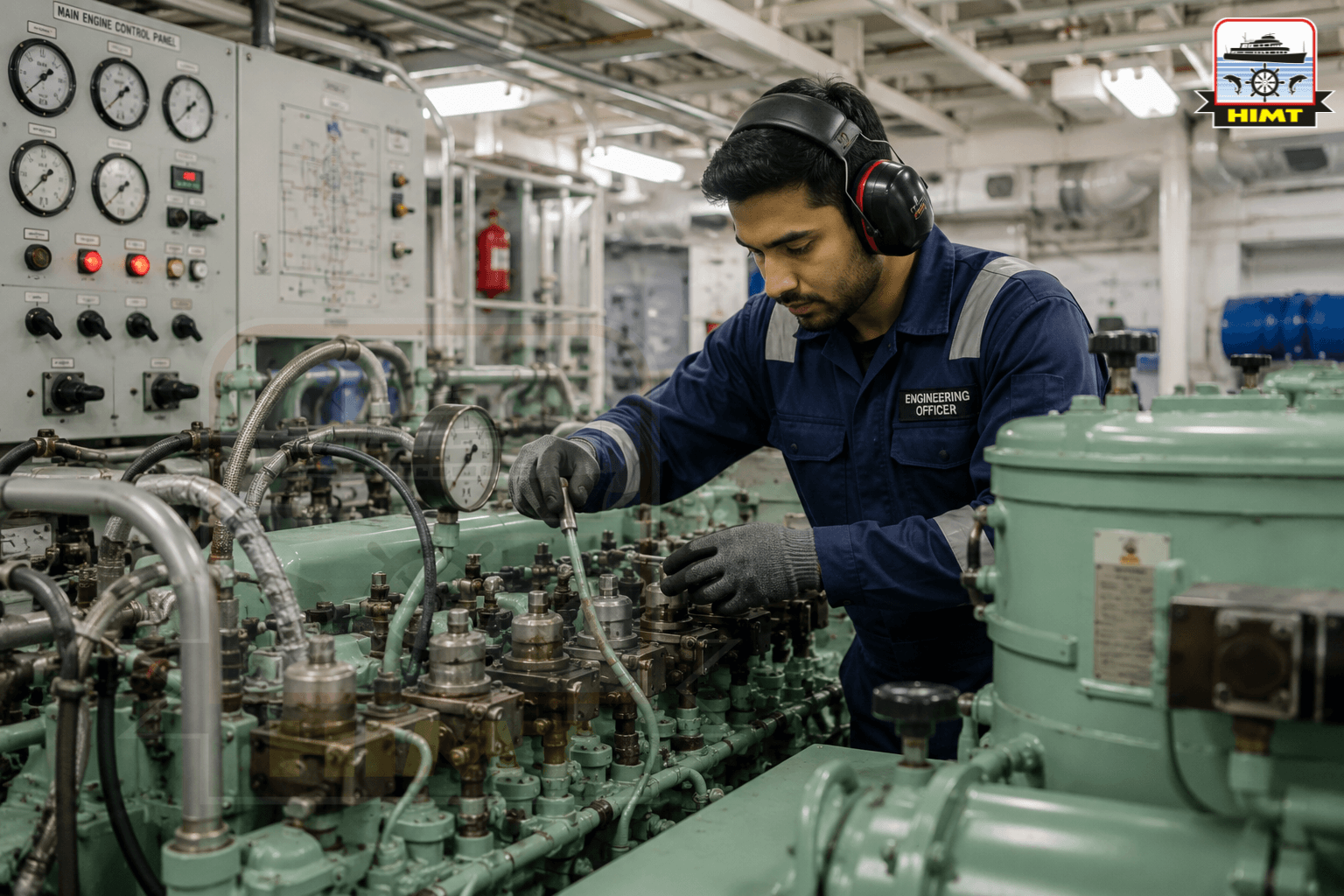
HIMT conducts the following DGMA (DGS) approved post sea competency courses:
- Chief Mate Phase I (PH1)
- Chief Mate Phase II (PH2)
- MEO Class I – Engineering Management (EM)
- MEO Class II – Preparatory Course (PCT)
- Masters Advanced Shipboard Management (ASM)
- Second Mate Function (SFU)
- Extra First Class Engineer Certification (EFC)
Each program follows the eligibility criteria and documentation requirements prescribed by the Directorate General of Maritime Administration (DGMA), Govt. of India [Previously known as Directorate General of Shipping].
Conclusion
Post sea competency courses are an essential part of career progression in the merchant navy. They ensure that officers possess the technical expertise, operational knowledge, leadership capabilities, and regulatory understanding required for higher responsibilities onboard modern ships.
Whether advancing from Second Mate to Chief Mate, upgrading from MEO Class II to Class I, preparing for command as Master, or pursuing the prestigious Extra First Class Engineer Certification, each competency course represents an important milestone in a seafarer’s professional journey.
For eligible candidates seeking Directorate General of Maritime Administration approved competency training in India, HIMT offers these post sea competency courses in accordance with the applicable DGMA requirements and prescribed eligibility criteria;
FAQs
1. What is the difference between Chief Mate Phase I and Chief Mate Phase II?
Chief Mate Phase I focuses on advanced theoretical knowledge and foundational written examinations in core maritime subjects. Chief Mate Phase II centers on practical shipboard management, advanced simulator training, and final oral assessments. Together, they form the progressive stages required to transition from a Watchkeeping Officer to a Chief Officer. Both courses are mandatory stages in progressing towards the Chief Mate Certificate of Competency.
2. Can I join a DGMA competency course without completing the required sea service?
No. Each competency course has specific sea service and Certificate of Competency (CoC) requirements prescribed by DGMA. Candidates must meet the eligibility criteria before enrolling in the respective course.
3. Is an INDoS number mandatory for all post sea competency courses?
An INDoS number is mandatory for most DGMA (DGS) approved competency courses. It serves as a unique identification number for Indian seafarers and is required during the admission process wherever specified.
4. What documents are generally required for DGMA post sea competency courses?
Most courses require an INDoS number, Continuous Discharge Certificate (CDC), valid Certificate of Competency (CoC), proof of eligible sea service, and additional documents such as Sea Service Testimonials, Passport, SSTP Record Book, or Seafarer Profile depending on the course.
5. Which DGMA (DG Shipping) competency course should I take after obtaining my current CoC?
The next course depends on your current Certificate of Competency, department (Deck or Engine), and completed sea service. For example, Second Mate officers progress to Chief Mate courses, while Marine Engineers advance through MEO Class II and MEO Class I competency programs as they meet the prescribed eligibility requirements.