The global shipping industry is evolving faster than ever, and tanker operations are becoming increasingly complex. From transporting crude oil and chemicals to handling liquefied gases, tanker ships carry some of the most hazardous cargoes in the maritime sector. Because of this, shipping companies today are placing far greater importance on tanker safety training than they did a decade ago. Seafarers who wish to build a stable and rewarding career at sea are now expected to possess specialized tanker safety certifications and advanced operational knowledge before joining tanker vessels.
In recent years, the demand for trained tanker professionals has increased significantly across oil tankers, chemical tankers, and gas tankers. Shipping companies are not only looking for technically skilled officers and crew members but also for professionals who understand emergency response procedures, cargo handling safety, pollution prevention, and international maritime regulations. This is exactly why tanker safety courses are becoming one of the most valuable post-sea training programs in the maritime industry.
For aspiring and experienced seafarers alike, completing approved tanker safety courses has now become more than just a certification requirement. It has become a major career advantage that improves employability, salary potential, onboard confidence, and long-term career growth.
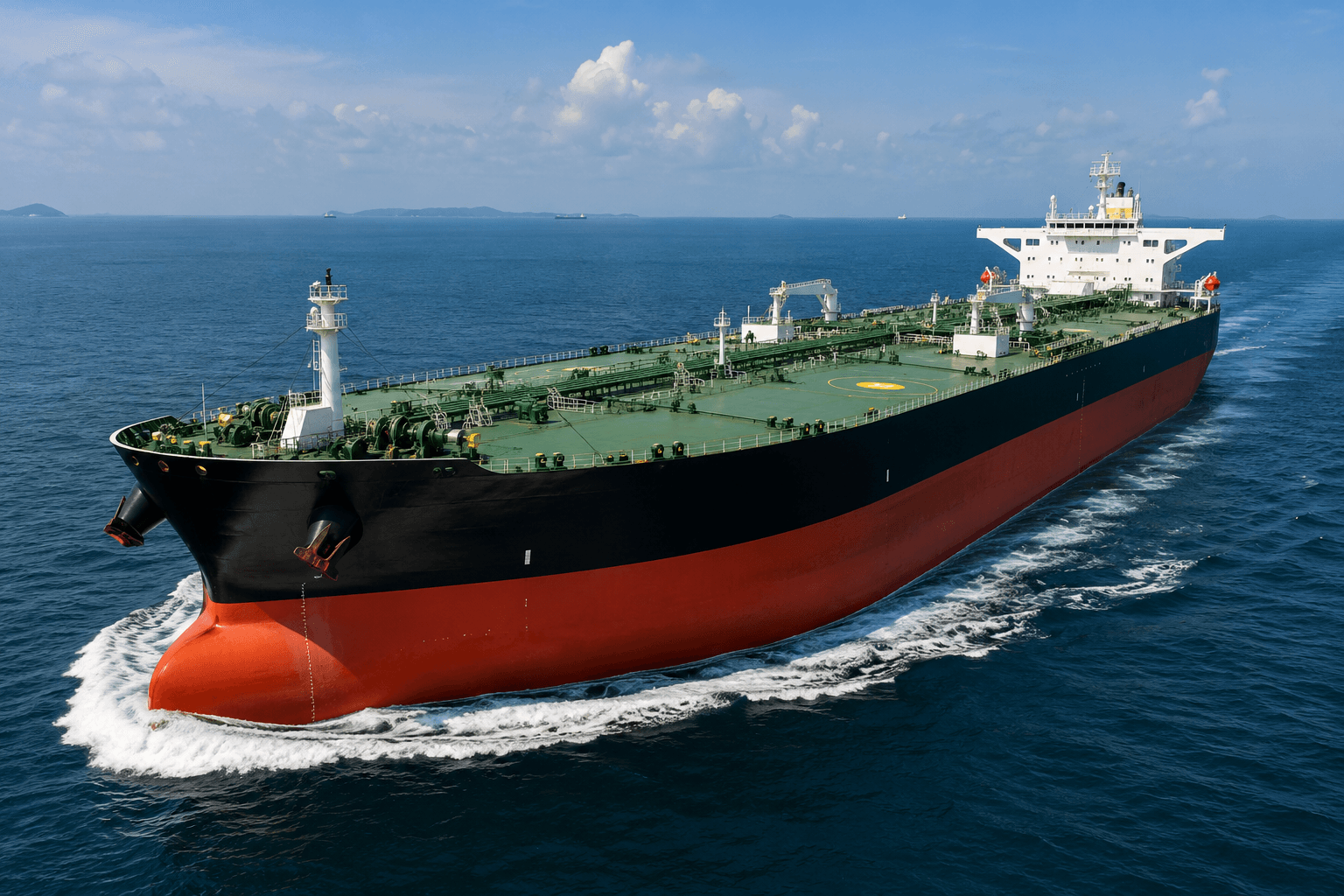
Growing Demand for Tanker Trained Seafarers in the Shipping Industry
The tanker shipping sector continues to remain one of the highest-paying divisions in the Merchant Navy. Oil tankers, LNG carriers, LPG vessels, and chemical tankers operate under strict international safety standards because they transport highly flammable, toxic, and environmentally sensitive cargoes. A small operational mistake onboard can lead to serious accidents, pollution incidents, cargo contamination, or even explosions.
Because of these risks, international shipping companies now prefer recruiting seafarers who have completed certified tanker safety training programs approved under STCW standards. Crew members with tanker certifications are often given preference during recruitment because they already understand the operational hazards associated with tanker vessels.
Today, many shipping companies actively search for officers and ratings holding certificates such as:
- Basic Oil and Chemical Tanker Familiarization Course (OCTCO)
- Basic Liquefied Gas Tanker Familiarization Course (LGTF)
- Advanced Oil Tanker Training Course (TASCO)
- Advanced Chemical Tanker Training Course (CHEMCO)
- Advanced Gas Tanker Training (GASCO)
- Tanker Fire Fighting Courses (TFF)
These certifications are no longer considered optional for seafarers planning a career in tanker shipping. Depending on the type of tanker vessel they choose to work on, such as oil, chemical, or gas tankers, seafarers can complete the specific tanker safety courses relevant to their career path. These specialized certifications help improve promotion opportunities, foreign-going placements, and access to high-paying tanker contracts.
Importance of DC Endorsement for Tanker Courses
Along with completing tanker safety courses, obtaining a valid Dangerous Cargo (DC) Endorsement is also an important requirement for seafarers planning to join tanker vessels. A CDC (Continuous Discharge Certificate) endorsement confirms that a seafarer has successfully completed the required tanker training and is eligible to serve onboard specific tanker ships such as oil tankers, chemical tankers, or gas carriers. Shipping companies and maritime authorities often verify these endorsements before assigning crew members to tanker operations.
DC Endorsement not only strengthens a seafarer’s professional profile but also improves eligibility for international tanker job opportunities. It acts as official proof of competency and compliance with maritime safety regulations under STCW standards. For seafarers aiming to build a successful tanker career, completing the required tanker courses along with obtaining the proper DC Endorsement is a crucial step toward securing safe, high-paying, and globally recognized maritime employment.
Why Tanker Ships Require Specialized Safety Training
Working onboard tanker vessels is very different from serving on cargo ships, container vessels, or bulk carriers. Tankers deal with dangerous cargoes that require precise operational handling, strict safety monitoring, and detailed emergency preparedness.
A tanker crew member must understand:
- Cargo properties and hazards
- Toxic and flammable vapours
- Static electricity risks
- Cargo transfer operations
- Tank cleaning procedures
- Gas measurement systems
- Firefighting techniques
- Emergency shutdown systems
- Pollution control measures
- Personal protective equipment usage
Without proper training, even experienced seafarers may struggle to handle tanker-specific emergencies effectively. This is one of the main reasons maritime authorities and shipping companies insist on mandatory tanker safety courses before joining tanker vessels.
Modern tanker training programs now focus heavily on practical knowledge, simulator training, emergency response drills, and real-life operational scenarios. This approach helps seafarers gain confidence before they step onboard.
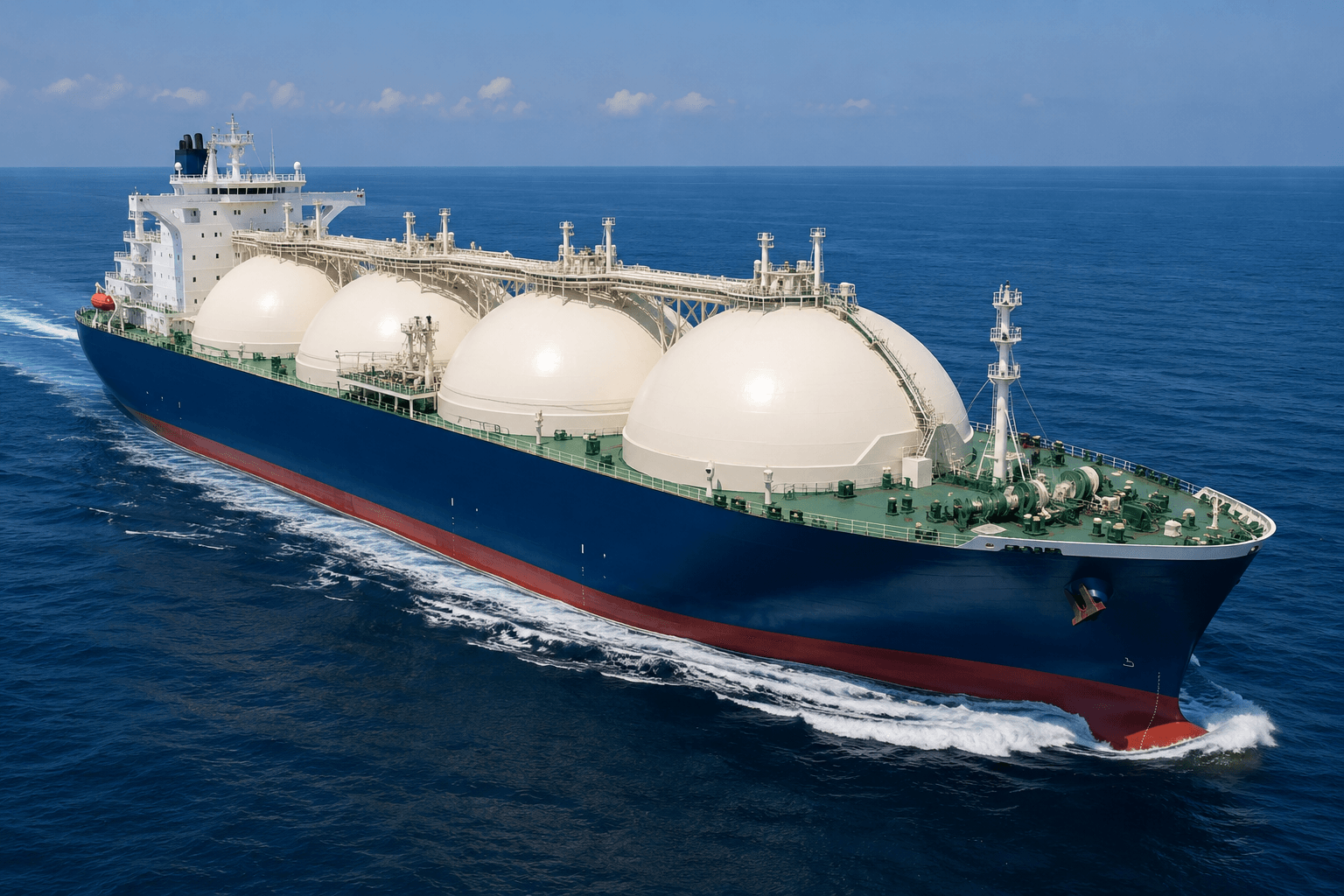
Tanker Safety Courses Improve Career Opportunities and Salary Packages
One of the biggest reasons why tanker safety courses are becoming more important is the direct impact they have on career growth and salary potential. Tanker ships generally offer higher salaries compared to many other vessel types because of the operational risks involved.
Shipping companies value trained tanker professionals because they reduce onboard operational risks and improve safety compliance. As a result, seafarers with tanker certifications often receive:
- Better placement opportunities
- Faster promotions
- Higher wages
- International tanker contracts
- Priority selection during recruitment
- Opportunities in offshore and energy sectors
For many deck officers and marine engineers, tanker specialization becomes a long-term career path that leads to stable employment in leading shipping companies worldwide.
With the growing global demand for oil, LNG, LPG, and chemical transportation, tanker-qualified seafarers are expected to remain in strong demand over the coming years.
International Maritime Regulations Are Becoming Stricter
The maritime industry operates under strict international regulations established by the International Maritime Organization. Over the years, safety regulations for tanker operations have become increasingly stringent due to environmental concerns and major maritime accidents around the world.
Modern tanker operations must comply with:
- STCW Convention requirements
- SOLAS regulations
- MARPOL pollution prevention rules
- ISM Code safety procedures
- OCIMF operational guidelines
- Company-specific safety management systems
Because regulatory standards continue to evolve, tanker safety training programs are regularly updated to match industry expectations. Seafarers who fail to stay updated with the latest tanker safety practices may find it difficult to secure tanker assignments in reputable shipping companies.
This is why refresher training, advanced tanker courses, and competency-based maritime education are now becoming increasingly important for both junior and senior seafarers.
Increasing Focus on Environmental Protection and Pollution Prevention
Environmental safety has become one of the biggest priorities in the global shipping industry. Tanker vessels carry cargoes that can cause severe environmental damage if mishandled. Oil spills, chemical leaks, and gas-related incidents can lead to massive financial losses and long-term ecological consequences.
As a result, tanker safety courses now place strong emphasis on:
- Pollution prevention procedures
- Safe cargo handling
- Spill response management
- Environmental compliance
- Waste disposal systems
- Emergency containment measures
Shipping companies today are under intense scrutiny from international authorities, port state controls, charterers, and environmental organizations. Even minor operational negligence can result in heavy penalties and reputational damage.
Seafarers who receive proper tanker safety training become more capable of preventing accidents and protecting marine ecosystems. This makes them highly valuable assets onboard tanker vessels.
Modern Tanker Technology Requires Better Technical Knowledge
Another major reason tanker safety courses are gaining importance is the rapid advancement of shipboard technology. Modern tanker ships now use highly sophisticated cargo systems, automation technologies, gas detection equipment, and digital monitoring systems.
Crew members must understand how to operate and monitor:
- Cargo control systems
- Inert gas systems
- Vapour emission control systems
- Emergency shutdown systems
- Cargo heating systems
- Gas detection instruments
- Tank level monitoring equipment
Without specialized training, adapting to these technologies can become extremely difficult for seafarers. Tanker safety courses bridge this gap by providing updated operational knowledge and practical familiarization.
Many maritime training institutes now use advanced simulators and real-time training modules that replicate actual tanker operations. This practical exposure helps seafarers prepare for real onboard conditions and emergencies.
Importance of Choosing the Right Maritime Training Institute
While tanker safety courses are important, choosing the right maritime training institute is equally critical. A reputed maritime institute provides experienced faculty, practical simulator training, updated course modules, and strong placement support.
Seafarers should always choose institutes that offer:
- DGMA (Formerly, DG Shipping) or UK MCA approved courses
- STCW compliant training
- Modern simulation facilities
- Experienced maritime instructors
- Practical safety demonstrations
- Industry-oriented curriculum
High-quality training improves not only certification value but also real onboard performance and confidence.
Institutes that focus on practical maritime education help seafarers become industry-ready professionals capable of handling modern tanker operations safely and efficiently.
One such reputed maritime training institute is HIMT, known for its industry-focused maritime education and advanced training infrastructure. With experienced faculty, modern simulation facilities, and Directorate General of Maritime Administration approved courses, HIMT helps seafarers gain the practical knowledge required for real onboard tanker operations. The institute also emphasizes safety culture, hands-on training, and career-oriented learning, helping students and working professionals build strong careers in the Merchant Navy sector.
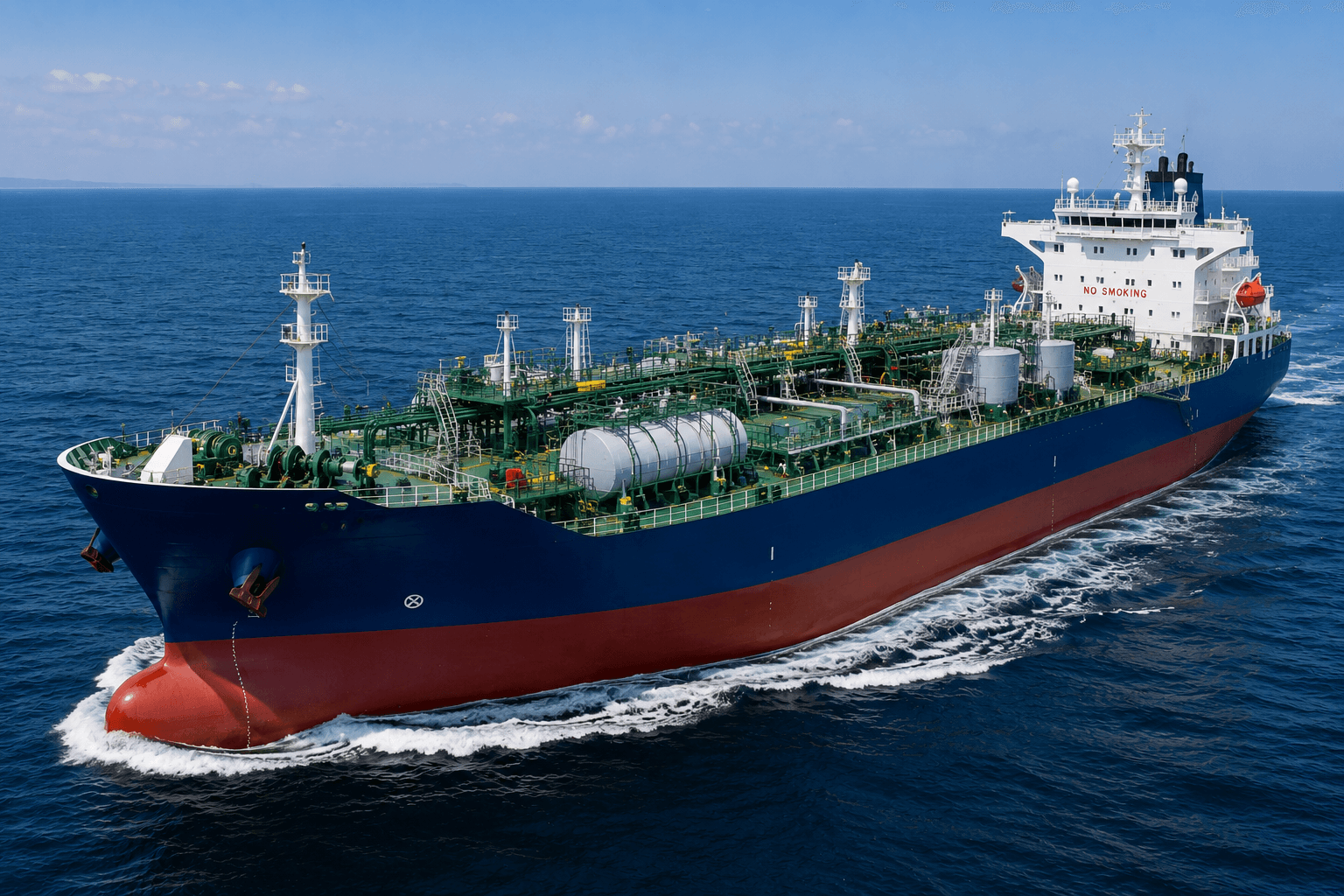
Future Scope of Tanker Careers in the Maritime Industry
The future of tanker shipping remains strong due to continuous global demand for energy transportation. Oil tankers, LNG carriers, LPG vessels, and chemical tankers continue to play a major role in international trade and energy supply chains.
As global tanker fleets expand and regulations become more advanced, the demand for certified tanker professionals is expected to rise steadily. Seafarers who complete tanker safety courses today position themselves for better long-term opportunities in the maritime industry.
With increasing focus on operational safety, environmental protection, and advanced cargo handling systems, tanker training will continue to remain one of the most important areas of maritime education.
Final Thoughts
Tanker safety courses are no longer just mandatory certifications for joining tanker vessels. They have become essential career-building programs that improve safety awareness, technical expertise, employability, and salary potential in the modern shipping industry.
As tanker operations become more technologically advanced and internationally regulated, professionally trained seafarers will always remain in high demand. Whether someone is planning to join oil tankers, chemical tankers, or gas carriers, specialized tanker safety training provides the knowledge and confidence required to work safely and successfully at sea.
For seafarers aiming to build a strong and future-ready career in the Merchant Navy, investing in tanker safety education is one of the smartest professional decisions they can make today.
Frequently Asked Questions
1. What is a tanker safety course in the Merchant Navy?
A tanker safety course is a specialized maritime training program that teaches seafarers how to safely handle hazardous cargoes like oil, chemicals, LNG, and LPG onboard tanker vessels. These courses cover cargo operations, firefighting, pollution prevention, and emergency response procedures.
2. Is tanker safety training mandatory for joining tanker ships?
Yes, most shipping companies and maritime authorities require approved tanker safety certifications under STCW regulations before joining oil tankers, chemical tankers, or gas tankers. Without these certifications, seafarers may not be eligible for tanker vessel assignments.
3. Do tanker-certified seafarers get higher salaries?
Generally, yes. Tanker vessels often offer higher salaries compared to many other ship types because of the specialized skills and higher operational risks involved. Certified tanker professionals also get better career opportunities and faster promotions.
4. Which tanker course is best for freshers in the maritime industry?
Freshers usually begin with courses like Oil and Chemical Tanker Familiarization or Liquefied Gas Tanker Familiarization. These entry-level courses help seafarers understand tanker operations and become eligible for tanker ship placements.
5. Why are tanker safety courses becoming more important today?
Modern tanker ships operate under strict international safety and environmental regulations. With increasing focus on accident prevention, pollution control, and advanced cargo handling systems, shipping companies now prefer highly trained and safety-conscious tanker professionals.